
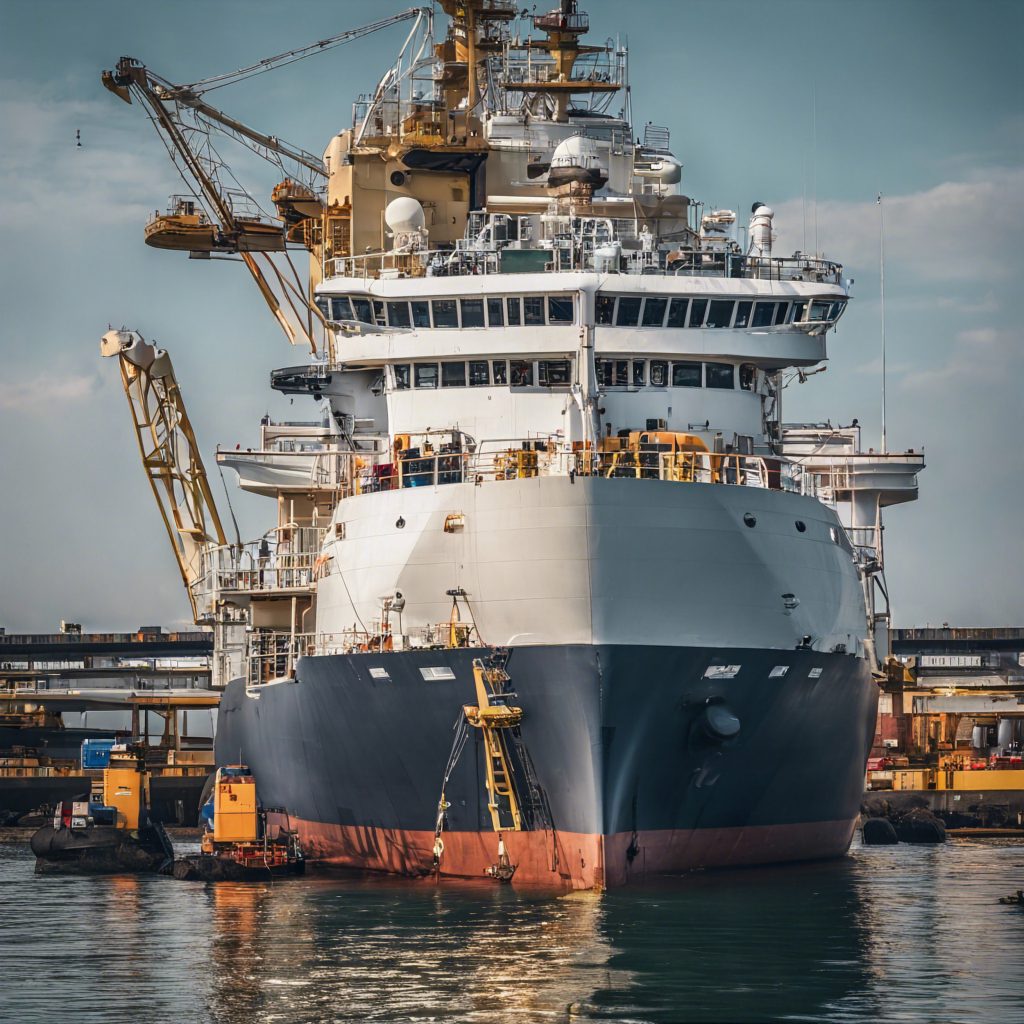

Marine Survey and Cargo Inspection The Hidden Backbone of Global Trade Excellence.
In today’s fast paced global economy, the movement of goods across oceans is more than just logistics. It is a complex ecosystem built on trust, compliance, and precision. Every shipment that leaves a port carries not just cargo, but also the reputation of businesses, the expectations of customers, and the financial interests of stakeholders. This is where marine survey and cargo inspection step in as silent guardians of quality, safety, and accountability.
For companies operating in oil and gas, maritime logistics, manufacturing, agriculture, and international trade, marine survey and cargo inspection are not optional processes. They are strategic tools that protect investments, prevent losses, and enhance credibility in highly competitive markets.
At first glance, these services may seem technical and procedural. However, when viewed through a business lens, they represent a powerful advantage that separates compliant, reliable organizations from those that struggle with disputes, delays, and reputational damage.
Marine survey and cargo inspection bring clarity to uncertainty. They ensure that what is loaded is what is delivered, that risks are identified before they escalate, and that operations align with both regulatory requirements and international best practices.
Understanding Marine Survey in a Business Context
Marine surveying is a professional assessment of ships, cargo, and maritime operations. It involves detailed inspections carried out by qualified experts who evaluate the condition, compliance, and performance of vessels and cargo handling processes.
From pre loading inspections to discharge verification, marine surveyors act as independent eyes that ensure every stage of the shipping process meets defined standards. Their role is not limited to observation. They provide evidence based reports that can be used for insurance claims, contractual validation, and regulatory compliance.
In a market where a single error can lead to significant financial loss, marine survey services become a form of risk insurance. They reduce ambiguity and provide documented proof that operations were conducted correctly.
For example, imagine a shipment of industrial equipment being transported across continents. Without proper inspection, there is a risk of damage, incorrect handling, or even misrepresentation of cargo condition. With marine survey involvement, every stage is verified, documented, and validated, giving all parties confidence in the process.
Cargo Inspection as a Strategic Asset
Cargo inspection focuses specifically on the goods being transported. It ensures that the quantity, quality, and condition of cargo meet agreed specifications before, during, and after shipment.
This is particularly critical in industries such as oil and gas, agriculture, chemicals, and manufacturing, where even minor deviations can result in major disputes or financial losses.
Cargo inspection provides businesses with real time assurance. It answers key questions that matter to stakeholders. Is the cargo in good condition before loading. Is it handled properly during transit. Does it arrive at the destination as expected.
By addressing these questions, cargo inspection transforms uncertainty into measurable confidence.
Companies that invest in professional cargo inspection services often experience fewer disputes, stronger client relationships, and improved operational efficiency. This is because inspection reports serve as objective evidence that supports transparency and accountability.
Why Marine Survey and Cargo Inspection Matter More Than Ever
Global trade is becoming increasingly complex. Regulatory requirements are evolving, customer expectations are rising, and supply chains are becoming more interconnected.
In this environment, the margin for error is shrinking. Businesses can no longer rely on assumptions or informal checks. They need structured, reliable systems that ensure consistency and compliance.
Marine survey and cargo inspection provide exactly that. They introduce a layer of control that helps organizations navigate complexity with confidence.
One of the most significant benefits is risk reduction. Shipping involves multiple variables including weather conditions, handling practices, and human factors. Each of these variables introduces potential risks that can impact cargo integrity and delivery timelines.
Through systematic inspection and reporting, these risks are identified early and managed effectively. This proactive approach not only prevents losses but also enhances operational resilience.
Another critical benefit is regulatory compliance. International shipping is governed by a wide range of standards and regulations. Non compliance can result in penalties, delays, and reputational damage.
Marine surveyors ensure that vessels and cargo handling processes align with these requirements. Their expertise helps businesses stay ahead of regulatory expectations and avoid costly mistakes.
Building Trust Through Transparency
In business, trust is everything. Clients want assurance that their goods will be handled with care. Partners want confidence that operations are conducted professionally. Regulators expect adherence to established standards.
Marine survey and cargo inspection provide the transparency needed to build and maintain this trust.
Inspection reports serve as credible documentation that demonstrates compliance and professionalism. They provide a clear record of what was inspected, how it was assessed, and what findings were recorded.
This level of transparency strengthens relationships and enhances credibility. It shows that a company is committed to quality and accountability.
In competitive markets, this can be a decisive advantage. Clients are more likely to choose partners who can demonstrate reliability and integrity through documented processes.
Enhancing Operational Efficiency
Beyond risk management and compliance, marine survey and cargo inspection contribute to operational efficiency.
By identifying potential issues early, they prevent disruptions that can lead to delays and additional costs. For example, detecting improper loading practices before departure can prevent damage that would otherwise be discovered only at the destination.
This proactive approach saves time, reduces expenses, and ensures smoother operations.
Furthermore, inspection insights can be used to improve processes. By analyzing findings and trends, organizations can identify areas for improvement and implement corrective actions.
This continuous improvement mindset leads to more efficient and reliable operations over time.
Supporting Insurance and Claims Processes
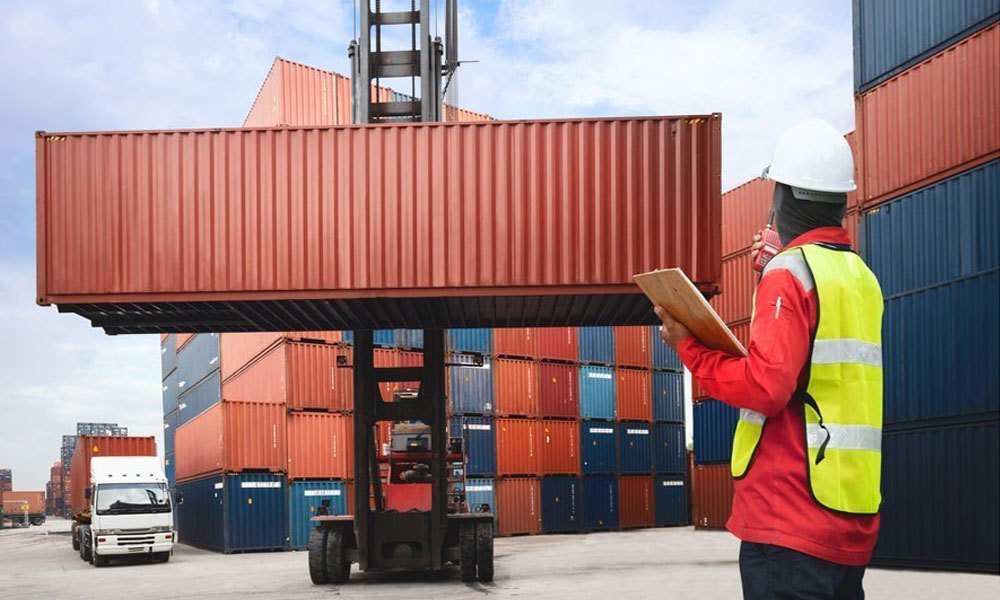
In the event of cargo damage or loss, having accurate and detailed inspection reports is invaluable.
Marine surveyors provide objective evidence that can be used to support insurance claims and resolve disputes. Their reports are recognized by insurers and legal entities as credible documentation.
Without such evidence, claims can become complicated and contentious. With proper inspection, the process becomes more straightforward and transparent.
This not only protects financial interests but also reduces the time and effort required to resolve issues.
Driving Competitive Advantage
In today’s business landscape, differentiation is key. Companies that can demonstrate superior quality and reliability stand out from the competition.
Marine survey and cargo inspection contribute to this differentiation by ensuring consistent performance and compliance.
They signal to clients and partners that a company takes its responsibilities seriously. This perception of professionalism can influence decision making and open new opportunities.
In industries where reputation is critical, this advantage can be transformative.
Integrating Marine Survey with Modern Management Systems
Forward thinking organizations are integrating marine survey and cargo inspection into their broader management systems.
By aligning these services with quality, environmental, and safety frameworks, businesses create a cohesive approach to risk management and compliance.
This integration enhances visibility and control across operations. It ensures that inspection findings are not isolated but are used to inform decision making and continuous improvement.
For example, linking inspection data with quality management systems allows organizations to track performance metrics and identify trends.
This data driven approach supports strategic planning and enhances overall effectiveness.
The Human Element Behind Precision
While technology plays an important role in modern inspection processes, the expertise of marine surveyors remains central.
These professionals bring a deep understanding of maritime operations, regulatory requirements, and industry standards. Their ability to assess complex situations and provide accurate insights is what makes marine survey and cargo inspection so valuable.
Their work requires attention to detail, analytical thinking, and a commitment to integrity. They operate in challenging environments and often under tight timelines, yet their focus on accuracy and reliability never wavers.
This human element adds a level of assurance that technology alone cannot provide.
Adapting to Industry Evolution
The maritime industry is evolving rapidly. Digitalization, automation, and sustainability initiatives are reshaping how operations are conducted.
Marine survey and cargo inspection are also evolving to meet these changes.
Advanced technologies such as digital reporting tools, remote inspection capabilities, and data analytics are enhancing efficiency and accuracy.
At the same time, there is a growing emphasis on environmental responsibility. Surveyors are increasingly involved in assessing compliance with environmental standards and supporting sustainable practices.
This adaptability ensures that marine survey and cargo inspection remain relevant and effective in a changing landscape.
Why Your Business Should Invest Now
Delaying investment in marine survey and cargo inspection can expose businesses to unnecessary risks.
The cost of inspection services is minimal compared to the potential losses associated with cargo damage, disputes, or regulatory penalties.
By investing in these services, businesses gain a level of control and assurance that supports long term success.
They also position themselves as responsible and reliable partners in the global trade ecosystem.
This proactive approach reflects a commitment to excellence and a readiness to meet the demands of modern business.
A Smart Move for Forward Thinking Organizations
Marine survey and cargo inspection are more than operational requirements. They are strategic enablers that support growth, resilience, and reputation.
They provide the insights and assurance needed to navigate complex supply chains and deliver consistent value.
For organizations looking to strengthen their position in the market, these services offer a clear path forward.
They transform uncertainty into confidence, risks into opportunities, and processes into competitive advantages.
Conclusion
In a world where every shipment carries significant value and responsibility, marine survey and cargo inspection stand as essential pillars of success.
They ensure that operations are conducted with precision, that risks are managed effectively, and that trust is maintained across all stakeholders.
For businesses aiming to thrive in global trade, investing in these services is not just a smart decision. It is a necessary step toward excellence.
By embracing marine survey and cargo inspection, organizations can protect their assets, enhance their reputation, and unlock new opportunities in an increasingly competitive market.
The question is no longer whether these services are needed. The real question is how soon your business can leverage them to achieve greater success.