International standards do not exist in isolation. They evolve in response to changes in regulation, technology, market expectations, and societal priorities.Across the world, governments are introducing new requirements relating to climate disclosure, cybersecurity, supply chain transparency, sustainability reporting, and data protection. These developments influence how standards committees approach revisions and updates.As a result, modern ISO standards increasingly reflect broader business risks and stakeholder concerns. Organizations implementing these standards gain access to internationally recognized frameworks that help manage complexity and demonstrate good governance.For conformity assessment professionals, staying informed about global compliance trends is essential. Understanding regulatory developments helps certification bodies, consultants, and organizations anticipate future requirements and maintain relevance in a changing business environment.The organizations that succeed will be those that view compliance not merely as an obligation, but as a strategic tool for building trust, resilience, and sustainable growth.
What Businesses Need to Know About Upcoming ISO 9001
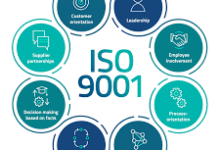
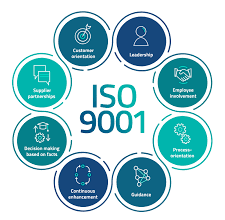
What Businesses Need to Know About Upcoming ISO 9001 RevisionsLet’s be honest.Most businesses don’t wake up excited about ISO standards.But ISO 9001? That one always sneaks into the conversation eventually—especially when audits are coming or when someone in management says:“We should probably check if anything has changed…”And they’re right.ISO 9001, the world’s most widely used quality management system standard, is expected to go through another revision soon. While we don’t have the final version yet, the direction of travel is becoming pretty clear.So instead of waiting for surprises, let’s talk about what’s likely coming—and what it means for your business in simple terms. First things first… why is ISO 9001 changing again?ISO standards don’t change just to keep people busy.They evolve because the world around them changes.Think about how business has shifted in the last few years:• Everything is more digital• Customers expect faster service and better experiences• Supply chains are more fragile than before• Data now drives almost every decision• And businesses are under pressure to prove—not just claim—qualitySo the upcoming ISO 9001 revision is basically trying to answer one question:“How do we keep quality management relevant in a fast-moving, digital, unpredictable world?” So what’s likely to change?Let’s break it down without the heavy jargon. So what should businesses actually do now?Let’s keep this practical.You don’t need to panic or overhaul anything today.But you should start preparing smartly.Here’s what that looks like:✔ Check how digital your quality system really isIf your system depends heavily on manual processes, now is a good time to modernize. ✔ Strengthen your risk thinkingNot just documentation—real conversations about real risks. ✔ Look at your customer experience honestlyAsk:• Where do customers struggle?• Where do delays happen?• What complaints keep repeating? ✔ Make sure knowledge is not trapped in people’s headsIf only “one person knows how it works,” that’s a risk. ✔ Keep an eye on updates (don’t react blindly)The revision will come with transition timelines. You don’t need to rush—but you do need awareness. The bigger picture (and this is important)ISO 9001 is not becoming more complicated for the sake of it.It is becoming more realistic.It’s trying to match how businesses actually operate today—not how they operated 15–20 years ago.And honestly?That’s a good thing.Because at its core, ISO 9001 has never really been about certificates.It’s about this:“How do we consistently deliver quality in a changing world?” Final thoughtIf you take one thing from this blog, let it be this:You don’t need to fear ISO 9001 revisions.You just need to evolve with them.And the businesses that do that early?They rarely struggle when audits or transitions come.They just adjust—and keep moving. Call to Action If you want to understand how the upcoming ISO 9001 changes may affect your organization, IEMA Standards can help you stay ahead—not just compliant. From readiness assessments to training and certification support, we help you prepare without stress.
The Future of Environmental Management Systems After ISO 14001:2026
The Future of Environmental Management Systems After ISO 14001:2026Environmental Management Systems (EMS) have come a long way over the past few decades.What began primarily as a framework for identifying environmental impacts and maintaining regulatory compliance has evolved into a strategic business tool that supports sustainability, resilience, operational efficiency, and stakeholder trust.With the anticipated release of ISO 14001:2026, many organizations are focused on understanding the upcoming changes and preparing for transition requirements.However, an equally important question deserves attention:What will Environmental Management Systems look like in the years after ISO 14001:2026?The answer is both exciting and challenging.Organizations are entering an era where environmental management will become more integrated, data-driven, transparent, and closely linked to overall business performance than ever before.Let’s explore what the future may hold.Environmental Management Is Moving Beyond ComplianceFor many years, organizations implemented Environmental Management Systems primarily to meet regulatory requirements and achieve certification.While compliance remains important, expectations have changed significantly.Today, organizations are increasingly judged by:• Customers• Investors• Regulators• Employees• Communities• Supply chain partnersThese stakeholders want to see evidence of genuine environmental responsibility—not just compliance.As a result, Environmental Management Systems are becoming strategic frameworks that help organizations create value while managing environmental risks.Future EMS programs will focus not only on avoiding environmental harm but also on contributing positively to sustainability objectives.Climate Change Will Become Central to Environmental ManagementClimate change is arguably the most significant environmental challenge facing organizations today.Extreme weather events, changing regulations, carbon reduction targets, and stakeholder expectations are already influencing business decisions across industries.In the future, Environmental Management Systems will likely place even greater emphasis on:Climate Risk ManagementOrganizations will need to assess how climate-related risks affect their operations, facilities, supply chains, and long-term business strategies.Carbon ManagementTracking and reducing greenhouse gas emissions will become increasingly important.Many organizations are already setting:• Net-zero targets• Carbon reduction goals• Renewable energy commitmentsEnvironmental Management Systems will play a key role in supporting these initiatives.Climate AdaptationBusinesses will need strategies for adapting to changing environmental conditions and improving resilience.This may include planning for:• Flooding• Water scarcity• Heat-related risks• Supply chain disruptionsThe future EMS will likely become a critical tool for managing these challenges.Data Will Drive Better Environmental DecisionsOne of the most significant changes expected in the coming years is the increasing use of environmental data.Historically, many organizations relied on periodic environmental monitoring and manual reporting processes.Today, technology is transforming how environmental performance is measured and managed.Organizations are increasingly adopting:• Real-time monitoring systems• Environmental sensors• Smart metering technologies• Cloud-based reporting platforms• Artificial intelligence tools• Predictive analyticsThese technologies provide faster and more accurate insights into environmental performance.Future Environmental Management Systems will likely rely heavily on data-driven decision-making.Organizations that embrace digital environmental management tools may gain significant advantages in performance monitoring and compliance management.Sustainability Reporting Will Become More ImportantEnvironmental performance is no longer something organizations communicate only during audits.Stakeholders increasingly expect transparent sustainability reporting.Investors, regulators, and customers want information about:• Carbon emissions• Energy consumption• Water use• Waste management• Environmental initiatives• Sustainability performanceEnvironmental Management Systems are likely to become increasingly integrated with sustainability reporting frameworks.This integration will help organizations ensure that reported information is accurate, consistent, and supported by reliable management processes.Supply Chain Environmental Management Will ExpandEnvironmental responsibility is no longer limited to activities within an organization’s own facilities.Increasingly, businesses are expected to understand and manage environmental impacts throughout their value chains.Future EMS programs may place greater emphasis on:Supplier AssessmentsEvaluating suppliers based on environmental performance.Sustainable ProcurementIncorporating environmental considerations into purchasing decisions.Lifecycle ThinkingAssessing environmental impacts across the entire lifecycle of products and services.Circular Economy PrinciplesReducing waste and maximizing resource efficiency through reuse, recycling, and recovery.Organizations that proactively manage supply chain environmental risks are likely to strengthen stakeholder confidence and improve resilience.Environmental Management Will Become More IntegratedOne major trend shaping the future is the integration of management systems.Organizations increasingly recognize that environmental performance cannot be managed in isolation.Environmental objectives often overlap with:• Quality objectives• Occupational health and safety goals• Information security requirements• Business continuity planning• Corporate governance initiativesAs a result, many organizations are moving toward integrated management systems.An integrated approach can help organizations:• Reduce duplication• Improve efficiency• Streamline audits• Enhance decision-making• Strengthen overall performanceFuture Environmental Management Systems will likely be more interconnected with other business functions than ever before.Employee Engagement Will Become a Key Success FactorTechnology and processes are important, but people remain at the heart of every successful Environmental Management System.Organizations are increasingly recognizing that environmental performance improves when employees actively participate in sustainability initiatives.Future EMS programs will likely focus more on:• Environmental awareness• Employee engagement• Sustainability culture• Leadership accountability• Cross-functional collaborationEmployees at all levels will play an important role in identifying opportunities for improvement and supporting environmental objectives.Biodiversity and Natural Resource Protection Will Gain AttentionClimate change is not the only environmental issue receiving increased attention.Governments, regulators, and international organizations are placing growing emphasis on biodiversity conservation and responsible resource management.Future Environmental Management Systems may increasingly address:• Habitat protection• Ecosystem impacts• Water stewardship• Sustainable resource use• Land management practicesOrganizations operating in sectors such as agriculture, manufacturing, construction, mining, and energy may see particular focus in these areas.The Role of Certification Will Continue to GrowAs environmental claims come under greater scrutiny, independent verification will become increasingly valuable.Certification provides confidence that organizations have implemented structured systems for managing environmental risks and opportunities.Certification bodies will continue to play an important role by:• Assessing conformity• Verifying management system effectiveness• Supporting continual improvement• Promoting confidence among stakeholdersAs environmental expectations increase, independently verified management systems are likely to become even more important.What Organizations Should Do TodayWhile it is impossible to predict every future development, organizations can take practical steps now to prepare.These include:Invest in Environmental Data ManagementAccurate data will become increasingly important.Strengthen Sustainability InitiativesAlign environmental objectives with broader sustainability goals.Improve Supply Chain OversightBegin evaluating environmental performance beyond organizational boundaries.Build Environmental AwarenessEnsure employees understand the organization’s environmental responsibilities and objectives.Monitor Emerging TrendsStay informed about developments in environmental regulation, sustainability reporting, and ISO standards.Organizations that take these actions today will be better prepared for the environmental challenges and opportunities of tomorrow.Final ThoughtsThe future of Environmental Management Systems extends far beyond maintaining certification or complying with regulations.Environmental management is
How Revised ISO Standards Are Shaping Corporate Sustainability
How Revised ISO Standards Are Shaping Corporate SustainabilityA decade ago, many organizations viewed sustainability as a separate initiative—something managed by a small team and reported on once a year.Today, the story is very different.Sustainability has become a business priority. Investors are asking questions about environmental performance. Customers want to buy from responsible organizations. Regulators are introducing stricter reporting requirements. Employees are increasingly choosing to work for companies whose values align with their own.As a result, sustainability is no longer a side project; it is becoming a core part of business strategy.This shift is also influencing the evolution of ISO standards.Recent revisions and proposed updates to standards such as ISO 14001, ISO 9001, and other management system standards demonstrate a growing emphasis on sustainability, resilience, governance, and long-term value creation.But how exactly are revised ISO standards shaping corporate sustainability?Let’s explore.Sustainability Is No Longer Just About the EnvironmentWhen people hear the word “sustainability,” they often think of recycling programs, renewable energy, or reducing carbon emissions.While environmental performance remains important, modern sustainability is much broader.Today’s organizations are expected to balance three key areas:Environmental ResponsibilityHow the organization impacts the environment.Social ResponsibilityHow the organization treats employees, customers, suppliers, and communities.GovernanceHow the organization is managed, monitored, and held accountable.These three pillars form the foundation of what many organizations refer to as ESG (Environmental, Social, and Governance).Increasingly, ISO standards are evolving to support these broader objectives.Why ISO Standards Matter for SustainabilityMany organizations already use ISO standards to improve quality, safety, environmental performance, and information security.However, what is often overlooked is how these standards contribute to sustainability goals.Management system standards provide organizations with structured frameworks for:• Identifying risks• Setting objectives• Measuring performance• Driving continual improvement• Engaging leadership• Managing compliance obligationsThese are the same principles that underpin effective sustainability programs.Rather than creating entirely new systems, organizations can often leverage existing ISO-certified management systems to support sustainability initiatives.The Growing Influence of StakeholdersOne major trend influencing ISO revisions is the growing power of stakeholders.Organizations today answer to a much wider audience than ever before.Stakeholders may include:• Customers• Investors• Regulators• Employees• Local communities• Supply chain partners• Industry associationsThese groups increasingly expect organizations to demonstrate responsible business practices.As a result, revised ISO standards are placing greater emphasis on understanding stakeholder expectations and incorporating them into decision-making processes.This helps organizations become more responsive and accountable.Climate Change Is Driving ChangeClimate change has become one of the most significant drivers of sustainability-related revisions.Businesses are increasingly expected to understand:• How their operations affect the climate• How climate-related risks affect their operations• How they plan to adaptRecent updates across the ISO landscape have already introduced greater consideration of climate-related issues.Future revisions are expected to continue this trend.Organizations that proactively address climate risks are likely to be better positioned to meet future requirements and stakeholder expectations.Sustainability Is Becoming a Leadership IssueHistorically, sustainability initiatives were often managed by environmental departments or corporate social responsibility teams.That approach is changing.Modern ISO standards increasingly emphasize leadership accountability.Senior management is expected to:• Set strategic direction• Allocate resources• Monitor performance• Promote continual improvement• Integrate sustainability into business planningThis is an important shift because sustainability initiatives are far more effective when they are supported at the highest levels of the organization.When leadership is engaged, sustainability becomes part of organizational culture rather than simply a compliance exercise.Measuring What MattersOne challenge organizations often face is demonstrating sustainability performance.Good intentions are no longer enough.Stakeholders increasingly want evidence.Revised ISO standards are encouraging organizations to focus on measurable outcomes rather than simply documenting processes.Examples of sustainability-related metrics may include:• Energy consumption• Water usage• Carbon emissions• Waste generation• Resource efficiency• Employee wellbeing indicators• Supplier sustainability performanceBy establishing meaningful performance indicators, organizations can better understand progress and identify areas for improvement.Supply Chains Are Under the SpotlightOrganizations are no longer judged solely on their own activities.Increasingly, they are also being evaluated based on the actions of their suppliers and partners.This is particularly important in industries with complex global supply chains.Stakeholders want assurance that organizations are sourcing responsibly and managing environmental and social risks throughout their value chains.Revised ISO standards are expected to encourage greater attention to:• Supplier evaluation• Sustainable procurement• Lifecycle thinking• Risk management throughout the supply chainOrganizations that strengthen supply chain oversight are likely to gain competitive advantages as sustainability expectations continue to increase.Digital Transformation Is Supporting SustainabilityTechnology is playing an increasingly important role in sustainability management.Organizations now have access to tools that can monitor environmental performance in real time, track energy usage, manage compliance obligations, and generate sustainability reports.Examples include:• Environmental monitoring systems• Carbon accounting software• ESG reporting platforms• Automated compliance tools• Sustainability analytics dashboardsAs digital capabilities continue to improve, organizations can make better decisions based on accurate and timely data.This supports both sustainability objectives and management system effectiveness.The Role of the Conformity Assessment IndustryThe conformity assessment industry plays a vital role in advancing sustainability.Certification bodies, accreditation bodies, inspection bodies, and training organizations help ensure that management systems are implemented effectively and consistently.Certification provides independent assurance that an organization is operating according to internationally recognized requirements.This assurance helps build trust among:• Customers• Investors• Regulators• Supply chain partners• The publicAs sustainability expectations grow, the value of independent verification is likely to become even more important.Sustainability as a Competitive AdvantageOne of the biggest misconceptions about sustainability is that it is purely a cost.In reality, many organizations are discovering that sustainability can drive business value.Benefits may include:• Improved operational efficiency• Reduced waste• Lower resource consumption• Enhanced brand reputation• Greater investor confidence• Improved customer loyalty• Better risk managementOrganizations that align sustainability initiatives with internationally recognized standards often find it easier to demonstrate these benefits.Final ThoughtsThe evolution of ISO standards reflects a broader transformation taking place across the global business landscape.Sustainability is no longer viewed as an optional extra. It is becoming a fundamental component of responsible business management.By incorporating sustainability principles into management system standards, ISO is helping organizations create structured, measurable, and continually improving approaches to environmental, social, and governance performance.For organizations, the message is clear: sustainability is not just about meeting expectations today—it is about building resilience, credibility, and long-term success for the
Is Your Organization Ready for the New ISO 14001 Requirements?
Is Your Organization Ready for the New ISO 14001 Requirements? Change is a natural part of the ISO standards landscape. As industries evolve and global priorities shift, standards must adapt to remain relevant and effective. With the anticipated revision of ISO 14001 expected in 2026, many organizations are beginning to ask an important question: “Are we ready?” The good news is that preparing for a revised standard does not necessarily mean starting from scratch. Organizations that already have a mature Environmental Management System (EMS) in place are likely to have a strong foundation. However, waiting until the revised standard is officially released may leave little time to understand the changes, train personnel, and implement necessary improvements. The organizations that experience the smoothest transitions are usually the ones that prepare early. Why Early Preparation Matters When ISO standards are revised, certified organizations are typically given a transition period to align their management systems with the new requirements. While this may seem like plenty of time, experience has shown that organizations that delay preparation often face challenges such as: Last-minute implementation efforts Increased consultancy and training costs Resource constraints Audit findings during transition assessments Disruptions to certification schedules Preparing early allows organizations to spread the workload over time and approach the transition strategically rather than reactively. What We Know So Far About the Upcoming Revision Although the final requirements of ISO 14001:2026 have not yet been published, industry discussions suggest the revised standard may place greater emphasis on: Climate-related risks and opportunities Environmental performance measurement Sustainability integration Supply chain environmental impacts Stakeholder expectations Data-driven decision making Organizations that begin strengthening these areas today will likely be better positioned when the revised standard is released. Step 1: Evaluate Your Current Environmental Management System The first step is understanding where your organization stands today. Ask yourself: Is our EMS fully implemented across the organization? Are environmental objectives regularly monitored? Do employees understand their environmental responsibilities? Are compliance obligations effectively managed? Do we consistently achieve environmental goals? Conducting an internal review can help identify strengths and areas requiring improvement. Think of this exercise as a health check for your Environmental Management System. Step 2: Review Environmental Risks and Opportunities One area expected to receive greater attention is environmental risk management. Many organizations already evaluate environmental aspects and impacts, but the upcoming revision may encourage a broader perspective. Consider questions such as: How could climate change affect our operations? Are there emerging environmental regulations that could impact us? What environmental risks exist within our supply chain? Are there opportunities to improve resource efficiency? Organizations that proactively identify and address these issues are often better prepared for future requirements. Step 3: Strengthen Environmental Performance Measurement Environmental management is increasingly moving beyond documentation and procedures. Stakeholders want evidence of results. Rather than simply demonstrating that processes exist, organizations may need to show measurable improvements in areas such as: Energy consumption Water usage Waste generation Emissions Resource efficiency This means having reliable monitoring systems and meaningful performance indicators. If your organization struggles to measure environmental performance consistently, now is the time to improve your data collection processes. Step 4: Involve Leadership Early One of the key lessons from previous ISO revisions is that successful implementation requires leadership commitment. Environmental management should not be viewed as the sole responsibility of the HSE department or environmental team. Senior management should understand: Environmental risks facing the organization Strategic sustainability objectives Regulatory obligations Resource requirements Performance expectations When leadership is actively engaged, environmental initiatives are more likely to receive the support needed to succeed. Step 5: Assess Your Supply Chain Environmental responsibility increasingly extends beyond an organization’s own operations. Customers, regulators, and investors are paying closer attention to supply chain performance. Organizations should begin asking: Do we evaluate suppliers based on environmental performance? Are environmental expectations communicated to vendors? Have we identified high-risk suppliers? Are sustainability considerations included in procurement decisions? Even if future requirements do not explicitly mandate extensive supply chain controls, organizations that strengthen supplier oversight will be better positioned for evolving stakeholder expectations. Step 6: Train Your Team A management system is only as effective as the people operating it. Employees, supervisors, internal auditors, and management representatives should remain informed about upcoming developments. Training topics may include: Emerging environmental challenges Climate-related risks Sustainability concepts Environmental performance monitoring Revised ISO requirements Awareness training helps reduce resistance to change and improves implementation effectiveness. Step 7: Conduct a Readiness Assessment One of the most valuable exercises organizations can undertake is a formal readiness assessment. A readiness assessment helps determine: Current levels of conformity Potential gaps Areas requiring additional resources Training needs Transition priorities This process provides a roadmap for implementation and helps organizations focus efforts where they are needed most. Many organizations choose to engage experienced certification bodies or consultants to support this process. Common Mistakes to Avoid As organizations prepare for the upcoming revision, there are several common mistakes worth avoiding. Waiting for the Last Minute Transition periods often pass more quickly than expected. Focusing Only on Documentation Environmental performance is becoming increasingly important. Ignoring Leadership Engagement Management commitment remains critical to success. Treating the Revision as a Compliance Exercise The most successful organizations view standards revisions as opportunities to improve performance rather than simply maintain certification. The Opportunity Behind the Revision While some organizations view standards revisions as a burden, they also present valuable opportunities. The anticipated ISO 14001:2026 revision offers organizations a chance to: Improve environmental performance Strengthen risk management Enhance sustainability initiatives Increase stakeholder confidence Improve operational efficiency Demonstrate environmental leadership Organizations that embrace these opportunities are likely to gain benefits that extend well beyond certification. Final Thoughts Preparing for the next version of ISO 14001 does not require drastic action today. However, it does require awareness, planning, and commitment. By reviewing your Environmental Management System, strengthening performance measurement, engaging leadership, and assessing environmental risks, your organization can build a strong foundation for a successful transition. The organizations that begin preparing now will likely find themselves ahead of
ISO 14001:2015 vs ISO 14001:2026 – Key Changes Explained
ISO 14001:2015 vs ISO 14001:2026 – Key Changes Explained The International Organization for Standardization (ISO) periodically reviews its standards to ensure they remain relevant in an evolving business and regulatory environment. With environmental concerns becoming increasingly central to corporate strategy, the anticipated revision of ISO 14001 has generated significant interest among organizations, environmental professionals, certification bodies, and regulators worldwide.While ISO 14001:2015 remains the current version of the standard, organizations are already preparing for what ISO 14001:2026 could bring.Although the final text has not yet been officially published, industry discussions and working group developments provide useful insight into the likely direction of the revision.Understanding these expected changes can help organizations begin preparing early and reduce the challenges associated with transitioning to the updated standard.A Quick Look Back at ISO 14001:2015When ISO 14001:2015 was released, it introduced several significant improvements compared to previous versions.Key enhancements included:• Risk-based thinking• Stronger leadership involvement• Lifecycle perspective• Greater integration with business strategy• Improved stakeholder consideration• Alignment with Annex SL (now Harmonized Structure)The standard shifted environmental management from a compliance-focused activity to a strategic business function.For many organizations, ISO 14001:2015 helped establish stronger environmental governance and better integration with other management systems such as ISO 9001 and ISO 45001.However, environmental expectations have continued to evolve significantly over the past decade.Why Another Revision Is NecessaryThe environmental challenges facing organizations today differ greatly from those that existed when ISO 14001:2015 was developed.Several global developments are influencing the need for revision:Climate ChangeOrganizations are increasingly expected to understand climate-related risks and opportunities affecting their operations.Sustainability Reporting RequirementsMandatory sustainability disclosures are becoming more common across many jurisdictions.Supply Chain AccountabilityOrganizations are being held responsible not only for their direct environmental impacts but also for those within their value chains.Investor ExpectationsInvestors increasingly evaluate environmental performance when making funding decisions.ESG IntegrationEnvironmental management is becoming closely linked with broader Environmental, Social, and Governance (ESG) initiatives.As a result, the revised standard is expected to place greater emphasis on measurable environmental outcomes and long-term sustainability performance.Expected Differences Between ISO 14001:2015 and ISO 14001:2026While organizations should wait for the official publication before implementing changes, several key areas are expected to receive greater attention.
What the New ISO 14001:2026 Means for Environmental Compliance
What the New ISO 14001:2026 Means for Environmental Compliance Environmental compliance is changing rapidly. Around the world, governments are introducing stricter environmental regulations, investors are demanding greater transparency on sustainability performance, and customers increasingly prefer businesses that demonstrate environmental responsibility. Against this backdrop, the anticipated revision of ISO 14001—currently expected to be published as ISO 14001:2026—has become one of the most discussed developments within the environmental management and conformity assessment community. While organizations continue to operate under ISO 14001:2015, the upcoming revision is expected to reflect modern environmental challenges, emerging sustainability priorities, and evolving stakeholder expectations. For organizations certified to ISO 14001, understanding these changes early can help ensure a smoother transition and continued compliance. Understanding ISO 14001 and Its Importance ISO 14001 is the internationally recognized standard for Environmental Management Systems (EMS). It provides organizations with a structured framework for identifying environmental impacts, meeting compliance obligations, reducing environmental risks, and improving environmental performance. Since its publication in 2015, the standard has helped organizations across various industries establish systematic approaches to environmental management. Certification to ISO 14001 demonstrates that an organization has implemented processes designed to: Identify environmental aspects and impacts Meet applicable legal and regulatory requirements Reduce environmental risks Improve environmental performance Support continual improvement As environmental expectations continue to evolve, so too must the standards that guide organizational practices. Why ISO 14001 Is Being Revised The environmental landscape today looks very different from when ISO 14001:2015 was developed. Several factors are driving the need for revision: Climate Change Considerations Climate change has become a major business risk affecting organizations across industries. Businesses are increasingly expected to understand not only how they impact the environment but also how environmental changes may affect their operations. Increased Sustainability Expectations Customers, investors, regulators, and communities are placing greater emphasis on sustainability performance. Organizations are expected to demonstrate measurable progress rather than simply maintaining compliance. Alignment with Emerging ESG Frameworks Environmental, Social, and Governance (ESG) reporting continues to gain prominence globally. Future management system standards are expected to align more closely with sustainability reporting requirements and stakeholder expectations. Technological Advancements Digital monitoring systems, environmental analytics, and real-time reporting tools are transforming environmental management practices. Standards must evolve to remain relevant in this changing environment. Expected Areas of Change in ISO 14001:2026 Although the final content of ISO 14001:2026 has not yet been officially published, industry discussions suggest several areas may receive greater attention. Stronger Climate-Related Requirements Organizations may be expected to consider climate-related risks and opportunities more explicitly within their environmental management systems. This could affect: Risk assessments Strategic planning Environmental objectives Operational controls Enhanced Environmental Performance Evaluation Future requirements may place greater emphasis on measurable environmental outcomes rather than procedural compliance alone. Organizations could be required to demonstrate clearer evidence of: Environmental performance improvements Resource efficiency gains Emissions reductions Waste management effectiveness Expanded Stakeholder Considerations Stakeholders increasingly influence environmental decision-making. Organizations may need to strengthen processes for understanding and responding to the expectations of: Regulators Customers Investors Local communities Supply chain partners Greater Supply Chain Focus Environmental impacts often extend beyond an organization’s direct operations. Future revisions may encourage organizations to place greater emphasis on supplier performance, procurement practices, and lifecycle environmental considerations. What This Means for Certified Organizations Organizations currently certified to ISO 14001 should not wait until the revision is published before beginning preparations. Early actions may include: Reviewing Environmental Risks Assess whether current risk management processes adequately address climate-related and sustainability-related risks. Evaluating Environmental Objectives Ensure objectives focus on measurable environmental performance outcomes. Strengthening Compliance Monitoring Review compliance registers and monitoring processes to ensure they remain current and effective. Enhancing Employee Awareness Educate management teams, environmental personnel, and internal auditors about expected developments. Implications for Certification Bodies Certification bodies will also play a critical role during the transition period. They will need to: Update audit methodologies Train auditors on revised requirements Develop transition programs for clients Communicate timelines and expectations Accreditation bodies will similarly need to ensure consistent implementation of revised certification requirements across the conformity assessment industry. Looking Ahead The anticipated ISO 14001:2026 revision represents more than a routine update. It reflects a broader shift toward environmental accountability, sustainability integration, and climate-conscious business practices. Organizations that begin preparing now will likely experience smoother transitions, stronger environmental performance, and greater stakeholder confidence. As environmental expectations continue to evolve, ISO 14001 remains one of the most valuable tools available for organizations seeking to demonstrate responsible environmental management and long-term sustainability.
How ISO 37001 Anti Bribery Management shapes Construction Sector.
How ISO 37001 Shape Construction and the Engineering Sectors. The construction and engineering industry is one of the largest and most economically significant sectors in the world. It plays a major role in infrastructure development, industrial expansion, transportation systems, energy projects, commercial real estate, and public works. However, despite its importance, the sector has historically faced serious challenges related to bribery, corruption, unethical procurement practices, contract manipulation, fraudulent payments, and abuse of authority. Large project budgets, multiple subcontracting layers, government interactions, and complex procurement systems often expose construction and engineering firms to corruption risks that can damage business reputation, result in financial losses, and create legal liabilities. To address these growing concerns, International Organization for Standardization developed ISO 37001, the globally recognized Anti-Bribery Management System standard. ISO 37001 provides organizations with a structured framework for preventing, detecting, managing, and responding to bribery risks within their operations and business relationships. The standard helps organizations establish anti-bribery policies, implement internal controls, conduct risk assessments, train employees, monitor compliance, and promote ethical business conduct across all levels of the organization. For construction and engineering firms, ISO 37001 has become increasingly important because corruption-related scandals within the industry can lead to project suspension, loss of investor confidence, criminal investigations, regulatory penalties, and long-term reputational damage. Governments, investors, international organizations, and clients are placing stronger emphasis on transparency and ethical business practices when awarding contracts and partnerships. As a result, ISO 37001 serves not only as a compliance tool but also as a strategic business advantage for construction and engineering organizations seeking sustainable growth and international credibility. One of the most important benefits of ISO 37001 for construction and engineering firms is the prevention of bribery and corruption risks. Construction projects often involve high-value contracts, licensing approvals, procurement negotiations, inspections, permits, and interactions with public officials. These activities can create opportunities for unethical conduct such as kickbacks, facilitation payments, bid manipulation, and improper commissions. ISO 37001 establishes preventive controls that help organizations identify bribery risks early and implement measures to reduce exposure. This includes due diligence procedures, approval processes, financial controls, reporting mechanisms, and monitoring systems designed to discourage unethical behavior. Another major advantage of ISO 37001 is enhanced corporate reputation and stakeholder trust. In the construction and engineering industry, reputation plays a critical role in securing contracts, partnerships, and investment opportunities. Clients prefer working with organizations that demonstrate integrity, transparency, and accountability. ISO 37001 certification signals that a company has implemented internationally recognized anti-bribery practices and is committed to ethical business operations. This improves confidence among investors, government agencies, financial institutions, regulators, and customers. Companies with strong ethical reputations are more likely to attract multinational clients, strategic partnerships, and international business opportunities. ISO 37001 also strengthens legal and regulatory compliance within construction and engineering organizations. Many countries have introduced strict anti-corruption laws and regulations aimed at combating bribery in both public and private sectors. Examples include the United States Foreign Corrupt Practices Act (FCPA), the United Kingdom Bribery Act, and various national anti-corruption legislations across Africa, Europe, Asia, and the Middle East. Construction firms operating internationally are often exposed to multiple legal jurisdictions and compliance requirements. Failure to comply can result in severe financial penalties, contract cancellations, criminal prosecutions, and business restrictions. ISO 37001 helps organizations align their internal controls with anti-bribery legal requirements and demonstrate compliance efforts during investigations or audits. Improved tendering and contract opportunities represent another key benefit of ISO 37001 implementation. Many governments, multinational corporations, international development agencies, and public institutions now require evidence of ethical compliance and anti-corruption systems before awarding contracts. Construction and engineering firms seeking large infrastructure projects, oil and gas developments, transportation contracts, or international engineering partnerships can significantly improve their competitive position by obtaining ISO 37001 certification. Certification demonstrates organizational commitment to transparency and responsible business practices, which may increase trust during procurement evaluations and tender assessments. Another important benefit is improved internal governance and management control. Construction and engineering operations often involve multiple departments, project managers, procurement officers, subcontractors, suppliers, consultants, and financial transactions. Without proper oversight, organizations may become vulnerable to fraud, unauthorized payments, or unethical procurement practices. ISO 37001 establishes structured governance systems that define responsibilities, approval authorities, reporting procedures, and accountability mechanisms. This reduces the likelihood of misconduct and improves operational transparency across the organization. Management gains better visibility into financial transactions, procurement activities, and high-risk business relationships. Risk management improvement is another significant advantage associated with ISO 37001. Construction and engineering firms operate in environments with high financial exposure and extensive third-party interactions. Risks may arise from subcontractor relationships, vendor selection, customs activities, licensing processes, joint ventures, or international operations. ISO 37001 requires organizations to conduct anti-bribery risk assessments regularly to identify areas where corruption risks may occur. Once identified, organizations can implement appropriate controls and mitigation measures to reduce exposure. This proactive approach helps prevent incidents before they escalate into major legal or reputational crises. Employee awareness and ethical culture development are additional benefits of ISO 37001 implementation. Many corruption incidents occur because employees lack understanding of anti-bribery expectations or feel pressured to meet business objectives through unethical means. ISO 37001 emphasizes staff training, awareness programs, ethical communication, and reporting mechanisms that encourage employees to uphold integrity in their daily activities. Construction and engineering firms benefit from creating a workplace culture where ethical conduct is valued and corruption is not tolerated. Employees become more aware of bribery risks, reporting channels, and organizational expectations regarding compliance. Another major advantage of ISO 37001 is the protection of organizational finances and assets. Corruption-related incidents can cause significant financial losses through fraud, inflated contracts, project overpricing, unauthorized payments, litigation expenses, and regulatory fines. Bribery scandals may also lead to investor withdrawal, reduced business opportunities, and damaged market value. By implementing strong anti-bribery controls, construction and engineering firms can reduce financial leakages and protect organizational resources more effectively. Transparent financial controls and approval procedures improve accountability and reduce opportunities for misuse of company funds. ISO 37001 additionally improves supply chain integrity within construction
The Role of Non-Destructive Testing in Modern Infrastructure Development
Infrastructure development is expanding rapidly across many parts of the world, with governments and private investors funding major projects involving bridges, highways, rail systems, airports, power plants, and commercial buildings. As construction complexity increases, Non-Destructive Testing is becoming an essential tool for ensuring structural integrity, safety, and compliance with international quality standards. Modern infrastructure projects involve massive financial investments and are expected to operate safely for decades under varying environmental and operational conditions. Even small structural defects can eventually develop into major failures if not identified early. NDT helps engineers and construction professionals evaluate structural conditions without damaging materials or interrupting construction activities. Construction companies use various NDT techniques to assess weld quality, concrete integrity, steel structures, pipelines, pressure systems, and load-bearing components. Ultrasonic testing, radiographic testing, rebound hammer testing, ground-penetrating radar, and infrared thermography are among the commonly used inspection methods within the infrastructure sector. ISO standards are increasingly influencing construction quality management and inspection practices. Organizations implementing ISO-compliant systems benefit from improved process consistency, better documentation control, stronger traceability, and enhanced client confidence. One major trend in 2026 is the increased use of NDT during both construction and maintenance phases. Rather than waiting until project completion, organizations are integrating continuous inspection programs throughout the project lifecycle. This proactive approach helps identify issues earlier, reducing costly repairs and project delays. Urbanization and population growth are also increasing pressure on governments and contractors to deliver infrastructure projects quickly while maintaining high safety standards. NDT provides an efficient way to monitor quality without causing operational disruptions or damaging completed work. Smart infrastructure technologies are further transforming inspection practices. Sensors embedded within bridges, tunnels, and buildings can now provide real-time structural health monitoring data. Combined with advanced NDT systems, these technologies help engineers detect stress, corrosion, vibration, and material degradation more effectively. Sustainability is another important factor influencing infrastructure inspections. Organizations are increasingly seeking ways to extend the lifespan of existing structures rather than replacing them entirely. NDT supports this objective by helping engineers assess structural conditions accurately and plan targeted maintenance strategies. The growing adoption of Building Information Modeling (BIM) systems is also improving how inspection data is managed. NDT findings can now be integrated directly into digital infrastructure models, improving collaboration between engineers, contractors, auditors, and project managers. As infrastructure investments continue growing globally, experts believe Non-Destructive Testing will remain one of the most important tools for ensuring public safety, regulatory compliance, operational durability, and long-term construction quality.
Why NDT Is Critical for Oil and Gas Industry Compliance
The oil and gas industry remains one of the most demanding sectors for safety, quality assurance, and operational reliability. With pipelines, pressure vessels, offshore platforms, storage tanks, and processing facilities operating under extreme conditions, even minor structural defects can lead to catastrophic failures. This is why Non-Destructive Testing has become a critical component of compliance and risk management within the industry. NDT allows oil and gas companies to inspect critical infrastructure without interrupting operations or damaging equipment. Through techniques such as ultrasonic testing, radiographic testing, magnetic particle inspection, liquid penetrant testing, and eddy current testing, organizations can identify hidden defects before they result in leaks, explosions, or environmental disasters. ISO standards provide essential frameworks that support inspection quality and operational consistency within the sector. Many oil and gas companies integrate NDT activities into broader ISO management systems such as ISO 9001 for quality management, ISO 45001 for occupational health and safety, and ISO 14001 for environmental management. One of the biggest challenges facing the oil and gas industry in 2026 is aging infrastructure. Many pipelines, refineries, and offshore facilities have been operating for decades and are increasingly vulnerable to corrosion, fatigue, and material degradation. NDT plays a crucial role in monitoring equipment condition and supporting preventive maintenance programs. Environmental concerns are also increasing pressure on organizations to strengthen inspection practices. Oil spills, gas leaks, and industrial accidents can cause severe environmental damage while resulting in massive financial penalties and reputational harm. Regulators are therefore enforcing stricter inspection requirements and compliance expectations across the industry. Technology adoption is significantly improving inspection capabilities. Automated ultrasonic scanners, robotic crawlers, drone inspections, and AI-assisted defect analysis systems are helping organizations inspect difficult-to-access areas more efficiently and safely. These technologies reduce human exposure to hazardous environments while improving inspection accuracy. Predictive maintenance is another growing trend within the industry. Instead of relying solely on scheduled maintenance intervals, organizations are increasingly using inspection data to predict equipment failures before they occur. This approach reduces downtime, lowers maintenance costs, and improves operational reliability. The competence of NDT personnel remains equally important. Oil and gas companies are placing stronger emphasis on ISO-certified inspectors with specialized technical expertise because inspection errors in high-risk environments can have devastating consequences. As global energy demands continue increasing, maintaining safe and reliable infrastructure will remain a major industry priority. Organizations investing in advanced NDT systems and ISO-compliant inspection practices are expected to achieve stronger operational resilience, regulatory compliance, and long-term sustainability.