
As organizations adopt multiple ISO certifications to improve operations and remain competitive, many are discovering that managing separate systems independently can become inefficient and difficult to maintain. This challenge has accelerated the rise of Integrated Management Systems (IMS), which combine multiple ISO standards into one unified framework.
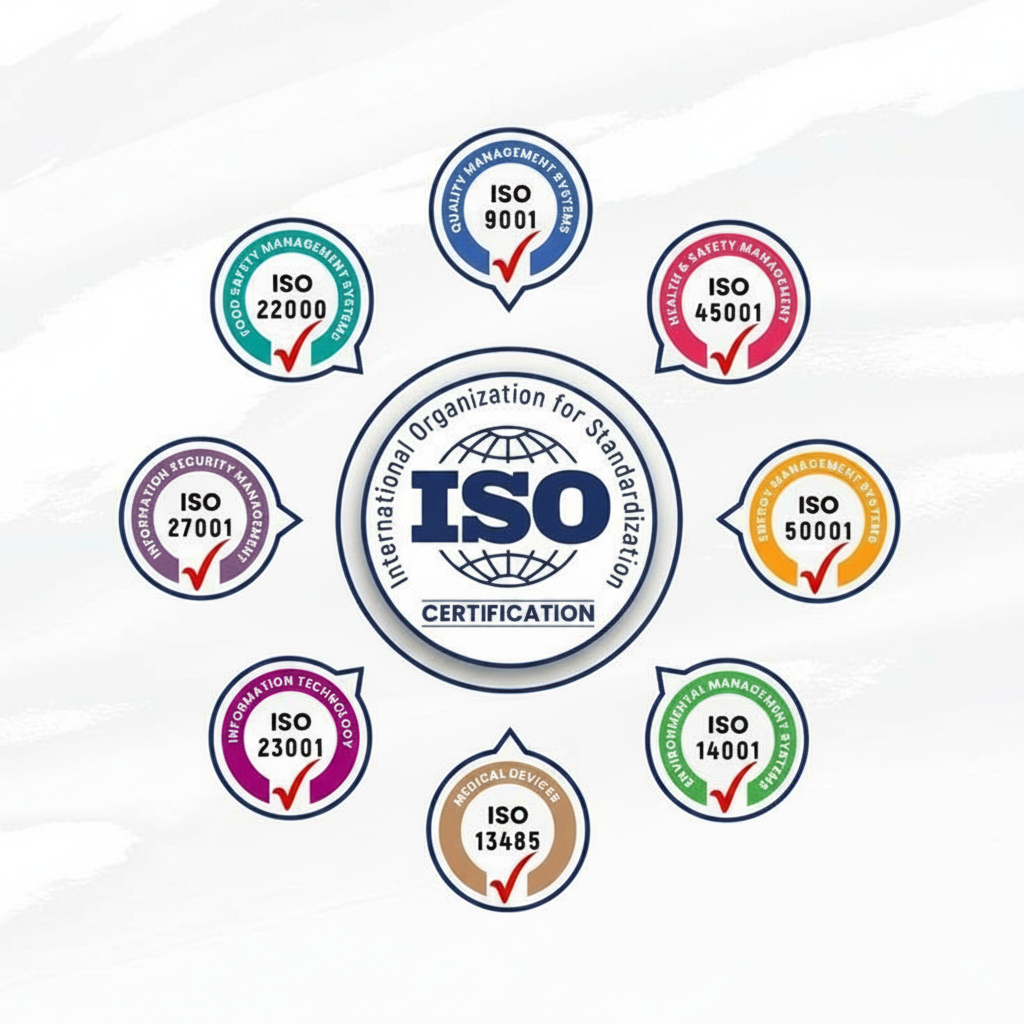
An Integrated Management System allows organizations to manage quality, environmental responsibility, occupational health and safety, information security, and other operational areas through a coordinated structure rather than separate isolated systems. Businesses are increasingly integrating standards such as ISO 9001, ISO 14001, ISO 45001, and ISO 27001 into a single management approach.
In 2026, this trend is growing rapidly because organizations are seeking ways to reduce duplication, simplify compliance activities, and improve operational efficiency. Instead of maintaining separate documentation processes, internal audits, management reviews, and corrective action procedures for each certification, businesses can streamline these functions through integration.
One of the biggest advantages of an IMS is improved organizational coordination. Departments that previously operated independently under separate management systems can now collaborate more effectively through unified objectives and standardized procedures. This often leads to stronger communication, faster decision-making, and better overall risk management.
Integrated systems also reduce administrative workload significantly. Employees spend less time managing repetitive documentation and more time focusing on operational improvement activities. Internal audits become more efficient because multiple compliance areas can be reviewed simultaneously rather than through separate audit programs.
Another major benefit is improved risk management. Organizations implementing integrated systems can evaluate operational risks more holistically instead of analyzing each compliance area separately. For example, a manufacturing company can assess how quality issues, environmental impact, worker safety risks, and cybersecurity vulnerabilities interact with one another within the same operational process.
Technology adoption is playing a major role in the growth of Integrated Management Systems. Many organizations are implementing digital compliance platforms that automate document control, incident reporting, corrective actions, performance monitoring, and audit management across multiple standards. These systems improve transparency while reducing human error and administrative complexity.
Business leaders are also recognizing the strategic advantages of integration. Companies with well-implemented IMS frameworks often demonstrate stronger operational maturity, better resource management, and improved organizational resilience. Integrated systems help organizations respond more effectively to market changes, regulatory updates, and emerging operational risks.
Certification bodies are increasingly supporting integrated auditing approaches as well. Combined audits reduce disruption to daily operations and often lower certification costs compared to maintaining multiple independent audit programs.
Experts believe Integrated Management Systems will become the preferred operational model for medium and large organizations over the next several years. As compliance requirements continue expanding, businesses seeking long-term efficiency and sustainability are expected to prioritize integration rather than isolated management systems.